

China Company Registration | Set Up a WFOE Company in China
Planning a China company registration or looking to set up a company in China? Foreign investors most often set up a wholly foreign-owned enterprise (WFOE, a wholly foreign-owned limited liability company), applying for registration with the local market regulation authority and receiving a business license. Under the Foreign Investment Law in force since 2020, industries not restricted by the negative list for foreign investment access can be 100% foreign-owned. At setup, you now submit a foreign investment information report through the enterprise registration system instead of a separate commerce filing.
The standard corporate income tax rate in mainland China is 25%, and qualifying small low-profit enterprises pay less in practice. The general VAT rates are 13%, 9% and 6%. Since July 1, 2024, the new Company Law requires limited liability company shareholders to pay in their subscribed capital within 5 years. NSS Group (戰國策集團) offers one-stop China company formation, from city and entity type assessment, business scope design, registration and bank account opening to bookkeeping and tax filing, to help you get established in China.
A large population and consumer base, with diverse e-commerce, retail and brand channels, suits a local company selling into the domestic market.
Manufacturing and supply chain clusters in the Yangtze River Delta and Pearl River Delta are mature, with components, logistics and talent readily available.
Industries outside the negative list can set up a wholly foreign-owned enterprise. Restricted items on the negative list must meet access conditions.
Since 2020, foreign-invested enterprises submit an information report at registration and no longer need a separate filing with commerce authorities.
company registration?
China’s market appeals in several ways. First, a fast-growing middle class drives strong domestic consumption and creates a large market for products and services across industries. Second, China is a global leader in e-commerce, mobile payments and artificial intelligence, giving businesses room to innovate and efficient tools to operate.
The government also continues to open up, gradually easing foreign investment access restrictions, and is building a fairer, more transparent international business environment through laws such as the Foreign Investment Law. For manufacturing, high-tech industries and consumer brands, China is not only a market but also a key place to integrate resources and strengthen competitiveness.
5 steps for foreign-invested enterprises
The most common entity foreign investors set up in China is the wholly foreign-owned enterprise (WFOE, now formed under the Company Law as a wholly foreign-owned limited liability company), which gives the investor full control and operating autonomy. You can also form a company jointly with a Chinese partner. With the Foreign Investment Law in force, the three former laws on Sino-foreign equity joint ventures, Sino-foreign cooperative joint ventures and wholly foreign-owned enterprises have been repealed, and all foreign-invested enterprises are now organized under the Company Law.
Setting up a company in China involves the name, business scope, registered address, market regulation registration, banking and tax. NSS Group has served more than 30,000 businesses and can plan the whole process with you, from choosing a city and preparing documents to carrying out each step, so you can set up a company in China safely, compliantly and efficiently.
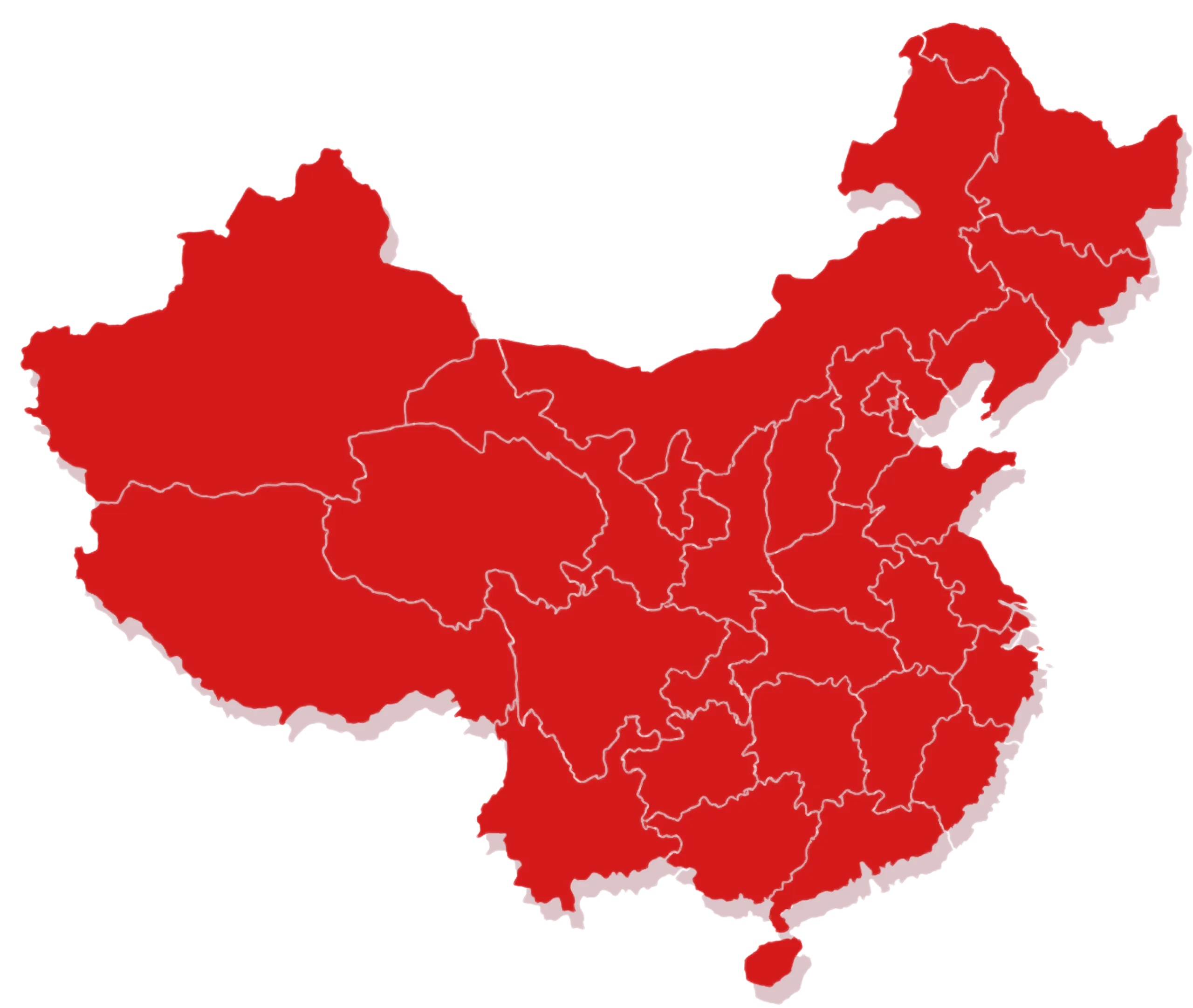
Setting up a company across China's provinces and cities
Profiles, opportunities and considerations
Where you set up affects more than the registered address. It also shapes talent, customers, supply chains, logistics and later operations. This quick regional comparison helps you shortlist a city.
East China
Shanghaicompany setup
- Regional profile
- A hub for headquarters, international finance, professional services and international business.
- Key opportunities
- Cross-border services, brand headquarters, technology services, international trade and premium consumer markets.
- Setup considerations
- Operating costs and rents are relatively high, and some finance, culture and education businesses need extra qualifications or access approval.
Jiangsucompany setup
- Regional profile
- Complete manufacturing and supply chains, with mature industrial clusters in Suzhou, Nanjing, Wuxi and other cities.
- Key opportunities
- Semiconductors, electronics, smart manufacturing, biotech, business services and supply chain partnerships.
- Setup considerations
- Industrial policies vary widely between cities. Before setting up, confirm the industrial park's focus, environmental assessment and manufacturing permit needs.
Zhejiangcompany setup
- Regional profile
- An active private sector with mature digital economy, e-commerce and foreign trade ecosystems.
- Key opportunities
- Cross-border e-commerce, brand retail, digital services, international trade and supply chain integration.
- Setup considerations
- E-commerce and platform businesses must watch data, advertising, consumer protection and platform compliance.
Anhuicompany setup
- Regional profile
- Hefei is driving clusters in technology manufacturing, automotive and emerging industries.
- Key opportunities
- New energy vehicles, smart manufacturing, electronics and IT, supply chains and business services.
- Setup considerations
- Manufacturing projects should first confirm land use, environmental assessment, fire safety and local park conditions.
Fujiancompany setup
- Regional profile
- Close ties with Taiwan, with a solid base in ports, foreign trade and private manufacturing.
- Key opportunities
- Services for Taiwanese businesses, cross-border trade, food, footwear and apparel, e-commerce and brand retail.
- Setup considerations
- Industrial structures differ clearly between cities, so assess ports, supply chains and where your customers actually are.
Jiangxicompany setup
- Regional profile
- Advantages in manufacturing costs and central transport links, taking on some relocated industries.
- Key opportunities
- Electronics manufacturing, new energy, logistics, agri-food processing and regional services.
- Setup considerations
- Supply chain maturity varies by city. Before setting up, confirm talent, logistics and distance to customers.
Shandongcompany setup
- Regional profile
- A large population and industrial base, with a strong port economy and manufacturing foundation.
- Key opportunities
- Machinery manufacturing, chemical-related services, food, the marine economy, trade and logistics.
- Setup considerations
- Chemicals, food or heavy industry face stricter environmental, workplace safety and industry license requirements.
South and Central China
Guangdongcompany setup
- Regional profile
- A major center for China's foreign trade, manufacturing, technology and consumer markets, with dense Pearl River Delta supply chains.
- Key opportunities
- Technology and electronics, cross-border e-commerce, manufacturing, brand retail, international trade and professional services.
- Setup considerations
- Shenzhen, Guangzhou, Dongguan and other cities differ in costs and industry focus, so choose based on your supply chain and customer locations.
Guangxicompany setup
- Regional profile
- Faces the ASEAN market, with cross-border logistics, ports and regional trade.
- Key opportunities
- ASEAN trade, logistics, agricultural products, food processing, cross-border e-commerce and regional services.
- Setup considerations
- Cross-border transactions require careful checks on customs, product inspection, foreign exchange and import/export qualifications.
Hainancompany setup
- Regional profile
- Free trade port development is drawing interest in modern services, tourism and cross-border business.
- Key opportunities
- Tourism spending, modern services, cross-border trade, digital services and brand showcases.
- Setup considerations
- Incentives usually come with industry, real operations and eligibility conditions. Do not set up a shell company just for incentives.
Henancompany setup
- Regional profile
- A large population, with Zhengzhou offering advantages as a transport, logistics and e-commerce hub.
- Key opportunities
- Logistics, e-commerce, food, retail, manufacturing and central China distribution channels.
- Setup considerations
- The market is large but price competition is strong, so first confirm channels and regional consumer habits.
Hubeicompany setup
- Regional profile
- Wuhan is central China's technology, education and transport center, with a deep talent pool.
- Key opportunities
- Software, optoelectronics, biotech, automotive, edtech and business services.
- Setup considerations
- Knowledge and technology businesses can benefit from the talent pool but must watch specific industry licenses and data compliance.
Hunancompany setup
- Regional profile
- Changsha is known for new consumer brands, cultural content and construction machinery.
- Key opportunities
- New consumer brands, creative media, construction machinery, e-commerce, food and services.
- Setup considerations
- Content, media and education businesses face more regulation, so confirm the business scope and licenses first.
North China
Beijingcompany setup
- Regional profile
- A concentration of government, technology, R&D, professional services and large corporate headquarters.
- Key opportunities
- AI, software, business services, consulting, R&D, cultural technology and headquarters operations.
- Setup considerations
- Office and staff costs are higher, and some education, culture, internet and information services face stricter access and approval requirements.
Tianjincompany setup
- Regional profile
- Clear strengths in ports, manufacturing, logistics and the northern regional market.
- Key opportunities
- Import and export, logistics, auto parts, equipment manufacturing and business services.
- Setup considerations
- Port and industrial businesses must follow special rules on customs, warehousing, hazardous chemicals and environmental protection.
Hebeicompany setup
- Regional profile
- Located around Beijing and Tianjin, with widespread manufacturing, logistics and supporting industries.
- Key opportunities
- Manufacturing support, logistics, building materials, food, supply chains and regional services.
- Setup considerations
- Industrial bases vary widely between cities. Do not look only at costs and overlook customers and talent.
Shanxicompany setup
- Regional profile
- A deep energy industry base, while also shifting toward manufacturing and services.
- Key opportunities
- Energy-related services, equipment manufacturing, industrial digitalization, culture and tourism, and regional trade.
- Setup considerations
- Energy and industrial projects often involve safety, environmental and industry licenses, so an early compliance assessment matters.
Southwest China
Chongqingcompany setup
- Regional profile
- A major manufacturing, logistics and consumer center in western China, with a strong automotive and electronics base.
- Key opportunities
- Automotive, electronics, logistics, cross-border e-commerce, restaurant brands and regional headquarters.
- Setup considerations
- Hilly-city logistics and the regional market have distinct traits. Manufacturing projects need to assess parks, supply chains and environmental requirements.
Sichuancompany setup
- Regional profile
- Chengdu is one of western China's core cities for technology, consumption and services.
- Key opportunities
- Software, gaming, AI, e-commerce, restaurant brands, creative industries and business services.
- Setup considerations
- The consumer market is active but competitive, and internet, gaming and cultural content businesses must watch licenses and content rules.
Guizhoucompany setup
- Regional profile
- Known for digital infrastructure and the big data industry.
- Key opportunities
- Digital services, data center support, tourism, liquor-related services and regional trade.
- Setup considerations
- Data businesses must watch cybersecurity, cross-border data and personal data compliance, and the size of the local market also needs assessment.
Yunnancompany setup
- Regional profile
- Faces South and Southeast Asia, with strong agriculture, tourism and cross-border trade.
- Key opportunities
- Cross-border trade, agricultural products, food, tourism, logistics and regional services.
- Setup considerations
- Cross-border trade and agricultural businesses often involve quarantine, customs and import/export rules.
Northwest China
Shaanxicompany setup
- Regional profile
- Xi'an concentrates research, universities, software and advanced manufacturing.
- Key opportunities
- Software, semiconductors, aerospace support, cultural tourism, edtech and business services.
- Setup considerations
- Research and certain high-tech fields may involve qualifications, confidentiality or industry access, so confirm the scope before partnering.
Gansucompany setup
- Regional profile
- A northwest transport node with notable energy and agricultural resources.
- Key opportunities
- Logistics, energy services, agricultural processing, culture and tourism, and regional trade.
- Setup considerations
- The market is spread out, so pay attention to logistics range, customer density and access to talent.
Qinghaicompany setup
- Regional profile
- Known for new energy, salt lake resources, farming and herding, and plateau tourism.
- Key opportunities
- New energy support, green industries, specialty farm and livestock products, and tourism services.
- Setup considerations
- Plateau geography and market size affect staffing, logistics and operating costs, and resource projects are closely regulated.
Ningxiacompany setup
- Regional profile
- Known for energy, modern agriculture, food and regional trade.
- Key opportunities
- Agritech, food processing, new energy support, trade and digital services.
- Setup considerations
- The market is smaller, so focus on supply chains, specific customer groups or a northwest regional strategy.

The first step is to declare the company name with the local market regulation authority (under the State Administration for Market Regulation system) and reserve it after a duplicate check in the self-service name declaration system.

Define the company’s business scope clearly. It appears on the business license and affects invoicing items and industry licenses. Also provide a compliant physical registered address with a lease and other supporting documents, and confirm the registered capital and a plan to pay it in within 5 years.

Core documents include the articles of association, shareholder qualification certificates, and identity and appointment documents for directors, supervisors (or the audit committee) and the legal representative. All documents must be prepared in Chinese, and documents from foreign shareholders usually need to be notarized and certified.

Apply to the market regulation authority for registration and collect the business license, and submit the initial foreign investment report through the enterprise registration system at the same time. Since 2020 there is no separate filing with commerce authorities. Restricted items on the negative list must also meet access conditions or obtain permits.

After you receive the business license, you still need to make the company seals, open a basic bank account and a capital account and complete foreign exchange registration, register for tax and apply for invoices, and register for social insurance and the housing fund. Investors may also need to meet outbound investment approval or reporting rules in their home country.
service

- Company name search and reservation
- Preparation and filing of registration documents
- Drafting of governing documents
- Collection of the registration certificate
- Advice on basic and capital bank accounts in mainland China
- Account opening document preparation
- Appointment booking and accompaniment
- Post-opening support
- Registered address
- Company secretary appointment
- Annual filing services
- Document custody and management
- Bookkeeping
- Tax filing and planning
- Financial statement preparation
- Audit arrangement
- Trademark search and assessment
- Trademark application filing
- Trademark maintenance and renewal
- Infringement protection advice
- Company change filings
- Share transfer support
- Company deregistration
- Legal advisory support
To help you sell, we offer a Stripe application consulting service for businesses selling internationally, so your customers can pay you easily and you can win more sales.
Good customer service is key to a successful business. We include a free AI customer service system that answers customer questions in real time and improves customer satisfaction.
A professional, attractive website is your company’s storefront online. We offer full web design services so your site looks good and works well.
Online marketing is a key part of business success today. We offer professional online marketing services, including SEO, social media marketing and content marketing.
When you use NSS Group company registration, you receive an exclusive free one-stop enterprise AI management system, valued at NT$360,000
One AI system to run your company operations: 12 major systems, 75+ functional modules and 15 AI tools that cover the full business workflow, so a newly formed company can get up and running quickly.

- City and company type assessment
- Name declaration and business scope design
- Market regulation registration and business license
- Foreign investment information report and bank foreign exchange registration
- Notarization and certification of investor documents
Market regulation registration, tax and other government fees follow local authority rules, and registered capital must be paid in within 5 years under the new Company Law. Document notarization, bookkeeping, tax filing and advisory fees are quoted by city and scope of service. See the cost breakdown below. There are no hidden fees.
How much does China company registration cost? Cost breakdown
China company formation costs mainly come from paying in registered capital, rent for the registered address, document notarization and certification, bookkeeping and tax filing, and bank account opening. The items and official rules below help you check quotes line by line.
| Item | Cost or rule | Notes |
|---|---|---|
| Name declaration and registration | Per local market regulation authority | Filed with the local market regulation authority, with the initial foreign investment report submitted through the enterprise registration system at the same time. |
| Registered capital | Subscription system, paid in within 5 years | Under the new Company Law in force since July 1, 2024, limited liability company shareholders must pay in their subscribed capital within 5 years of incorporation. |
| Registered address | Per lease | Proof of a compliant physical address is required, and some cities and parks also verify the address. |
| Foreign shareholder document notarization | Per notary and certification rules | Qualification documents of foreign corporate or individual shareholders usually need to be notarized and certified. |
| Bookkeeping, tax and annual filing | Quoted by volume | VAT and corporate income tax must be filed on schedule, and the annual report is submitted between January 1 and June 30 each year. |
| NSS Group service fee | Written quote after a free assessment | Based on the city, business scope, licenses and any home-country investment filings. Every item is listed in the quote, with no hidden fees. |
The latest notices from the mainland China authorities prevail.
China company tax essentials: 25% corporate income tax and VAT
Companies in mainland China mainly pay corporate income tax and VAT. The VAT Law took effect on January 1, 2026.
| Item | Rule | Notes |
|---|---|---|
| Corporate income tax | 25% | Standard rate for resident enterprises. |
| Small low-profit enterprises | 25% of taxable income is counted and taxed at 20% | Annual taxable income of no more than 3 million yuan, no more than 300 employees and total assets of no more than 50 million yuan, in a non-restricted, non-prohibited industry; in effect until December 31, 2027. |
| VAT (general taxpayers) | 13%, 9%, 6% | 13% for general goods; 9% for transportation, construction, real estate leasing and similar; 6% for other services and intangible assets; zero rate for exported goods. |
| VAT (small-scale taxpayers) | Levy rate 3% | For annual VAT-taxable sales of no more than 5 million yuan. From 2026 to the end of 2027, a reduced 1% rate applies except for real estate, with a monthly sales threshold of 100,000 yuan. |
| Annual obligations | Annual tax reconciliation and annual report | Annual corporate income tax reconciliation, plus an annual report submitted through the National Enterprise Credit Information Publicity System by June 30 each year. |
Tax rates are based on State Taxation Administration and Ministry of Finance notices. Have a professional assess how they apply to your actual structure.
Which entity type should a foreign investor choose in China?
Since the Foreign Investment Law took effect in 2020, foreign-invested enterprises are organized under the Company Law. Common options are a wholly foreign-owned limited liability company, a company jointly funded with a Chinese party, and a resident representative office of a foreign enterprise.
| Comparison | Wholly foreign-owned LLC (WFOE) | Sino-foreign joint venture | Representative office of a foreign enterprise |
|---|---|---|---|
| Legal status | Independent legal person; shareholders liable up to their subscribed capital | Independent legal person; rights allocated by the articles | Not a legal person; cannot carry out profit-making activities |
| Control | Full control by the foreign investor | Per shareholding and the articles | Managed by the foreign parent company |
| Negative list industries | No investment in prohibited items; restricted items must meet conditions | Some restricted items require Chinese control | No profit-making business |
| Best for | The most common choice for foreign manufacturing, trading and service businesses | When you need Chinese resources, licenses or channels | Market research, liaison and promotion |
These are general principles. Base your choice on the latest negative list for foreign investment access, industry licenses and your business model.
What foreign founders should know about setting up a company in China
- Home-country outbound investment rules: Check whether your home country requires approval or reporting before or after you invest in mainland China.
- No separate commerce filing: Since January 1, 2020, foreign-invested enterprises no longer file with commerce authorities at setup. Instead, they submit the initial foreign investment report through the enterprise registration system when registering. Restricted items on the negative list must still meet access conditions.
- 5-year capital payment under the new Company Law: Since July 1, 2024, subscribed capital of a limited liability company must be paid in within 5 years of incorporation, so do not set registered capital higher than you need.
- Design the business scope first: The business scope affects invoicing items, tax classification and industry licenses. Import and export, food, medical devices, internet and cultural content businesses also need pre-approval or post-approval.
- Home-country tax and fund flows: Check how your home country taxes income from mainland China and whether tax paid in China can be credited. Keep records of dividend repatriation, foreign exchange registration and fund transfers.
Further reading
Sources: gov.cn: explanation of the Measures for Foreign Investment Information Reporting; Ministry of Commerce Announcement No. 62 of 2019 (abolishing setup filing); State Taxation Administration law database: Company Law (in force July 1, 2024); State Taxation Administration: income tax incentives for small low-profit enterprises (Announcement No. 12 of 2023); Full text of the VAT Law; Ministry of Finance and State Taxation Administration Announcement No. 10 of 2026; . The latest official notices prevail. This page is general information, not legal or tax advice.
How long does it take to set up a company in China?
The time to set up a company in China depends on the city, company type, business scope, name declaration, document notarization and certification, and the market regulation review. Pre-approvals, special industry licenses, physical address checks or bank account arrangements can extend the overall timeline. Investors should also allow time for any outbound investment approval or reporting required in their home country. We first assess the actual process and timeline based on your planned city and business.
What documents do I need to set up a company in China?
To set up a company in China, you usually prepare the following:
- 1. Identity details for shareholders, the legal representative, directors, supervisors and the financial officer
- 2. Company name, registered capital, shareholding percentages and capital contribution plan
- 3. Registered address in China or an available office address option
- 4. Business scope, planned city of operation and main transaction model
- 5. Investor KYC, authorization documents and required signing documents
Do I need to go to China in person to set up a company?
Most business registration steps can be completed through document preparation, authorization and online or in-person filing support, so investors do not always need to be there in person. However, bank account opening, real-name verification, tax registration or specific city requirements may need the legal representative, a responsible person or an authorized signatory to attend in person, join a video call or sign. We confirm local requirements and arrange this before we start.
What tax and filing obligations does a Chinese company have?
- 1. Corporate income tax, VAT and surtax returns
- 2. Individual income tax, social insurance, housing fund and payroll filings
- 3. Bookkeeping and tax filing, the annual business report, tax risk and invoice management
Can I write the business scope of a Chinese company freely?
Who can help me register a company in China?
NSS Group (go.ai.com.tw) can help. We provide one-stop support from pre-incorporation assessment and company registration to post-incorporation maintenance, reducing uncertainty when you enter the Chinese market.
Our main services include:
- 1. China company type and city assessment
- 2. Company name approval, business registration and business license application
- 3. Registered address, tax registration and bank account opening support
- 4. Bookkeeping, tax filing, invoice management and the annual business report
- 5. Changes to shareholders, legal representative, address and business scope
- 6. Trademark registration, contract review and compliance advice
- 7. Website build, digital marketing and AI customer service setup
- 8. Ongoing business advisory and cross-border business support
We arrange registration, banking, tax, address and ongoing maintenance based on your industry, planned province or city and business model, so you can enter the Chinese market on a steadier footing.